Symptoms of Off-Ratio Spray Foam
Off-ratio spray polyurethane foam usually shows up through a combination of texture, odor, and visual signs — not always all at once, and not always obvious on day one. This page walks through each one, how to check for it, and what it actually means.

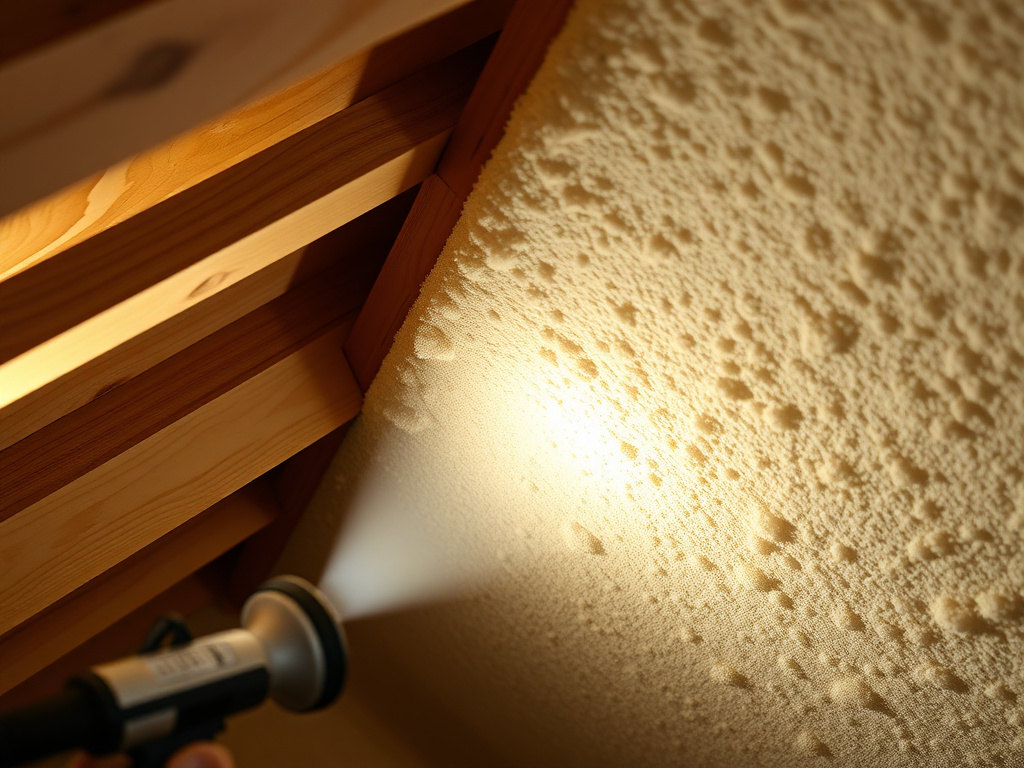
Press it. Off-ratio foam feels wrong before it looks wrong.
Correctly cured foam has a consistent, firm-but-resilient feel — open-cell springs back gently, closed-cell feels dense and rigid. Off-ratio foam fails in one of two directions, and which direction tells you which side of the chemistry was out of balance.
- Brittle, crumbly, dark, shrunken — usually too much A-side (isocyanate)
- Soft, spongy, sticky, never fully hardens — usually too much B-side (resin)
- Test several spots — defects are often localized, not sitewide
Timing matters more than intensity.
Every SPF job has some smell right after installation — that's normal, and it's why the space is vacated during and shortly after spraying. The Environmental Protection Agency treats the first roughly 24 to 72 hours as the normal off-gassing window. The diagnostic question isn't whether it smells — it's whether it still smells strongly after that window has closed.
- A fishy or sharp ammonia-like smell, distinct from a normal plastic curing smell
- Odor that doesn't fade on the normal 24-72 hour timeline — stays flat or worsens
- Detectable in living space, not just at the attic access point
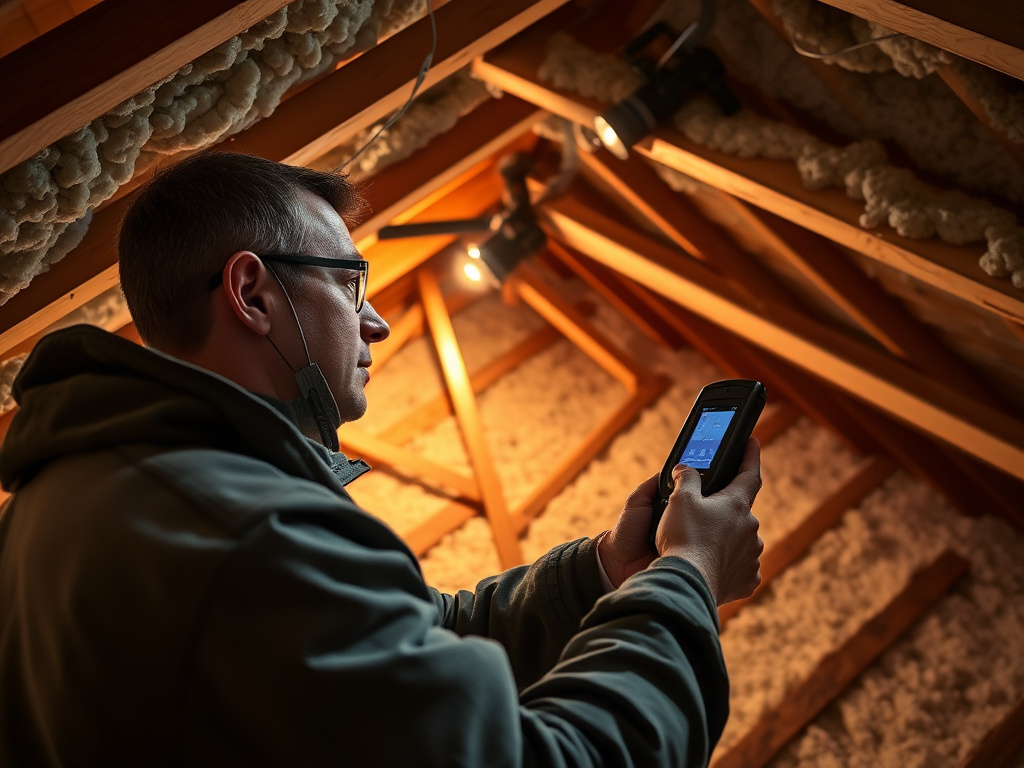

Shrinkage, cracking, and color tell part of the story.
Correctly cured foam holds its shape and stays bonded to the substrate. Off-ratio foam often pulls away from that bond over the days and weeks after installation, as trapped stresses in the incompletely reacted material relax.
- Visible gaps or separation between foam and framing
- Cracking or surface checking that develops after installation, not during
- Patchy or uneven discoloration, yellowing, or unusually dark spots
- Noticeably thinner or under-expanded sections compared to the rest of the cavity
Foam that didn't expand to its designed thickness.
Off-ratio conditions can prevent foam from rising and expanding the way it's designed to. Compare thickness within the same cavity or rafter bay — a section that's noticeably thinner than the rest, even if the texture in that section seems okay on its own, is a sign that pass had a mix or delivery problem.
Combined with a single symptom in isolation, incomplete rise is worth monitoring. Paired with odor or texture issues in the same spot, it strengthens the case for a professional look.
See what causes these defects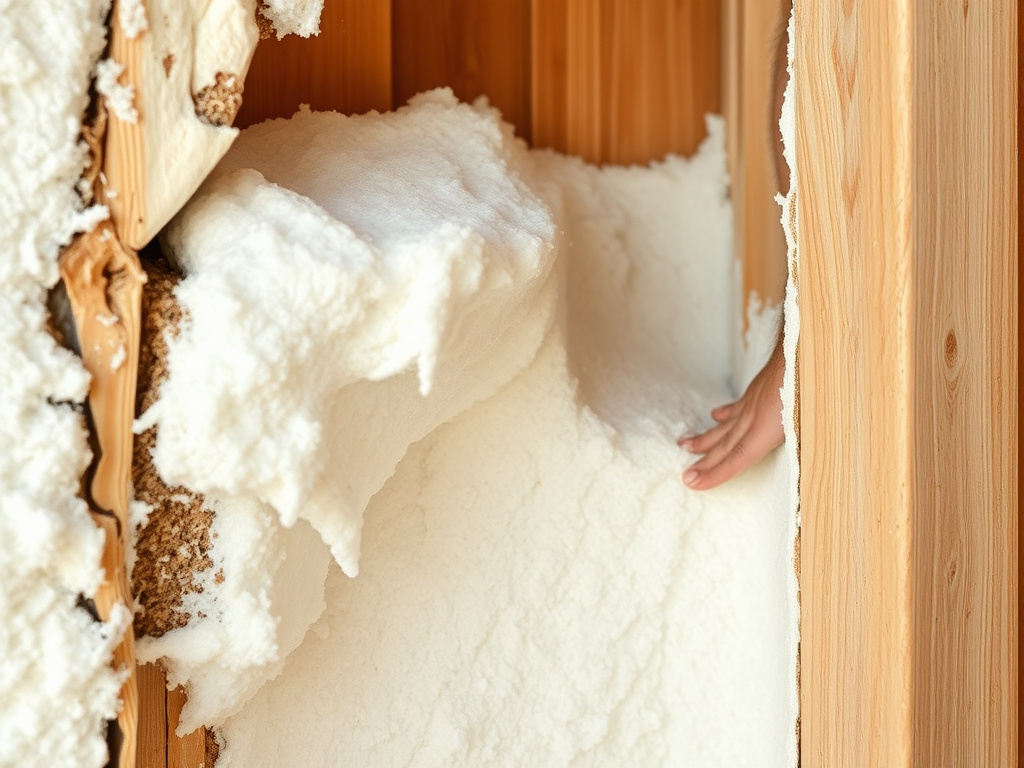
One symptom vs. multiple symptoms
Worth monitoring
A single mild symptom in isolation — a faint smell that's already fading, one small crack at a seam — is a reason to note it and check again in a week or two, not necessarily to assume a defect.
Worth a professional evaluation
Texture, odor, and appearance pointing the same direction in the same location — or any symptom that's getting worse rather than settling down over the weeks after installation.
Symptom questions, answered
Too much A-side tends to produce brittle, crumbly, shrunken foam. Too much B-side tends to produce soft, spongy, sticky foam that never fully firms up. Either way, it should feel noticeably different from correctly cured foam nearby.
Some odor in the first 24 to 72 hours is normal. A strong chemical or fishy smell that's still noticeable well beyond that window is one of the more reliable signs of an off-ratio installation.
Not necessarily. A single mild symptom is worth monitoring. Multiple symptoms — texture, odor, and appearance — lining up in the same location, or symptoms getting worse over time, are a stronger signal worth a professional evaluation.
Yes. Shrinkage, cracking, and discoloration can develop gradually over the weeks after installation. A persistent odor alone, even without visible damage yet, is worth a professional look.
Seeing one or more of these signs?
Tell us what you're noticing — texture, odor, location — and we'll help you understand next steps for a professional evaluation.