Remediation Options for Off-Ratio Spray Foam
Once off-ratio foam is confirmed, the right fix depends on what an evaluation actually finds — not a one-size-fits-all rule. Here's how mechanical removal and encapsulation differ, and how professional testing fits into the decision.
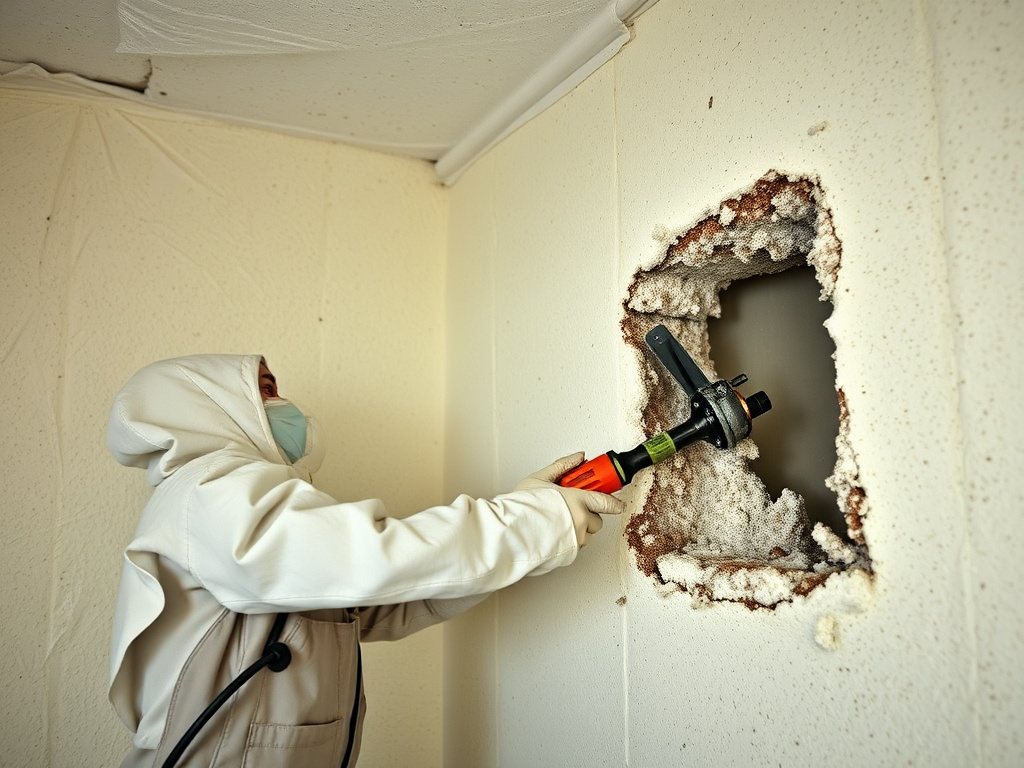
The default remediation for confirmed off-ratio material.
Unreacted chemical trapped inside off-ratio foam doesn't stop being unreacted just because it gets covered up. Removal is typically done mechanically — cutting, scraping, and pulling out the affected material — sometimes followed by sanding or media blasting to clear residue from framing and sheathing.
Because this process can disturb material that may still be releasing compounds, it's commonly handled with the work area enclosed and ventilated, similar to other contained-remediation trades.
- Standard approach for material confirmed to be off-ratio
- Contained, ventilated work area during removal
- Followed by inspection and light cleaning of exposed framing
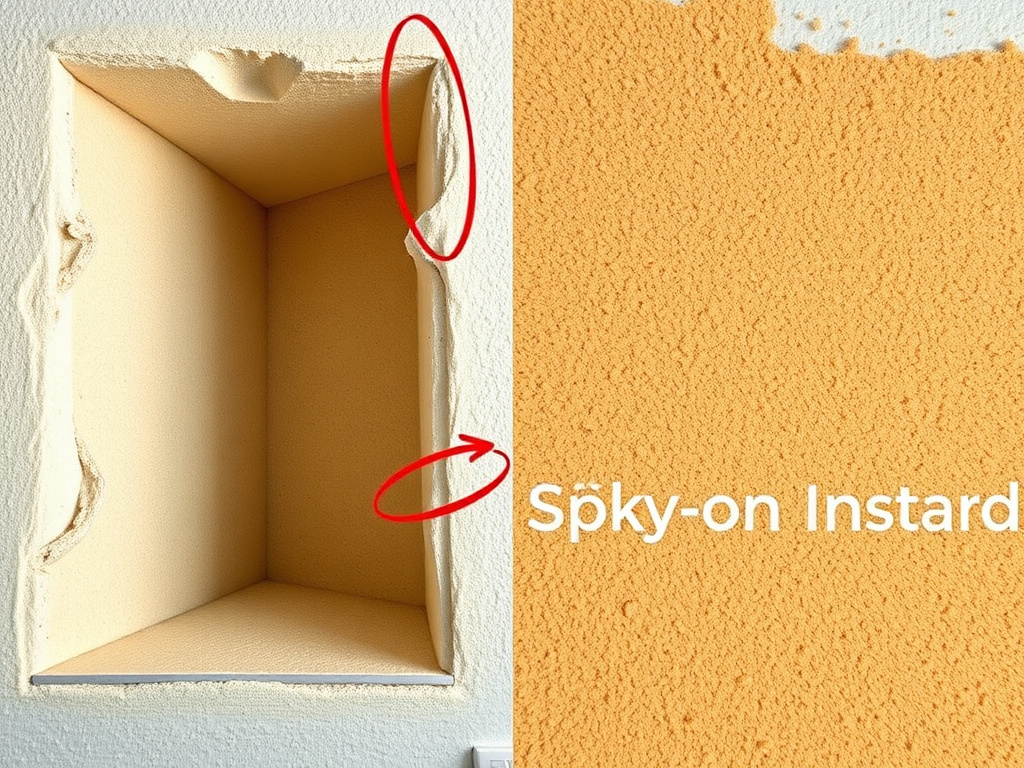
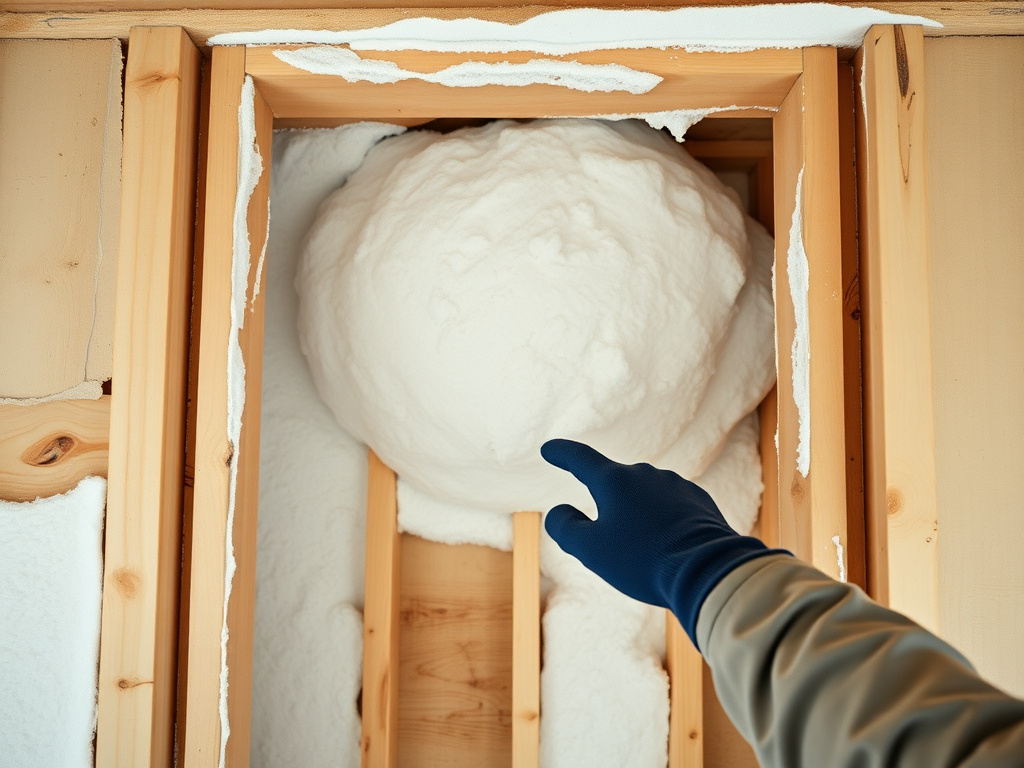
A narrower option — not a substitute for removal.
Encapsulation means sealing the foam surface with a specialized coating rather than removing the material. It's most often discussed for situations involving lingering odor from foam that's otherwise structurally sound and reasonably well-cured — not foam with confirmed off-ratio defects throughout.
When it is used, it's typically applied after any confirmed off-ratio material has already been removed — coating exposed framing to seal in minor residual odor, not as a way to avoid removing foam that's actually chemically defective.
- For residual odor management on sound material — not a fix for off-ratio foam itself
- Most often paired with removal, applied after defective material is out
- Coating over confirmed off-ratio foam without removal does not resolve the chemistry
Evaluation first, then a scoped plan
Confirm the finding
Texture, odor, and visual checks — corroborated by air-quality data where warranted — establish whether material is genuinely off-ratio.
Assess the extent
A contained patch versus a proportioner malfunction that affected a whole application changes the scope significantly.
Scope the work
Spot removal, larger-section removal, full removal, or encapsulation of sound material — based on what's actually found, not a default assumption.
What happens after removal
Once defective material is out, exposed framing and sheathing are typically inspected and cleaned before anything new goes back in — this is also the point where a primer-based encapsulation step is sometimes used if any residual odor remains. Reinstallation follows with new material, ideally alongside a review of what caused the original failure so the same conditions aren't repeated.
Remediation questions, answered
Generally no. Unreacted chemistry trapped in off-ratio foam doesn't resolve by sealing or coating over it. Mechanical removal is the standard approach for material that's confirmed to be off-ratio.
Encapsulation is most appropriate for managing residual odor on foam that's otherwise structurally sound and properly cured, often paired with removal of any confirmed off-ratio sections rather than used as a substitute for removing defective material.
Typically through mechanical removal — cutting, scraping, and pulling the material out — sometimes followed by sanding or media blasting to clear residue from framing and sheathing. This is commonly done in a contained, ventilated setup.
No. Scope depends on the extent of the problem — a localized patch may only require spot removal, while a proportioner malfunction that affected a whole application may call for a larger scope.
When odor or other off-ratio symptoms persist beyond the normal cure window, or when the scope of a problem is unclear. Testing gives objective data to plan remediation around, rather than relying on smell or visual impression alone.
Request a professional off-ratio foam evaluation
Tell us what you're seeing — texture, odor, shrinkage, or a spot that never fully cured — and we'll put together a clear, no-pressure evaluation referral for your property.