Health & Safety Considerations
This page is written to be factual and calibrated, not alarmist. We are an informational and evaluation-referral resource, not a medical provider or an indoor air quality laboratory. Nothing here is medical advice, and nothing here is meant to diagnose a health condition. If you have symptoms that concern you, talk to a qualified medical professional.
Curing spray foam produces off-gassing — normally, for a limited window.
As spray polyurethane foam cures, the chemical reaction can produce excess isocyanates, aldehydes, amine catalysts, and other volatile organic compounds. This is a normal, expected part of any professional installation, which is why occupants and pets are required to leave the space during application and for a period afterward.
U.S. Environmental Protection Agency guidance treats the first roughly 24 to 72 hours after installation as the normal off-gassing window. After that, properly cured foam is expected to be functionally inert — it shouldn't continue reacting or releasing meaningful vapor.
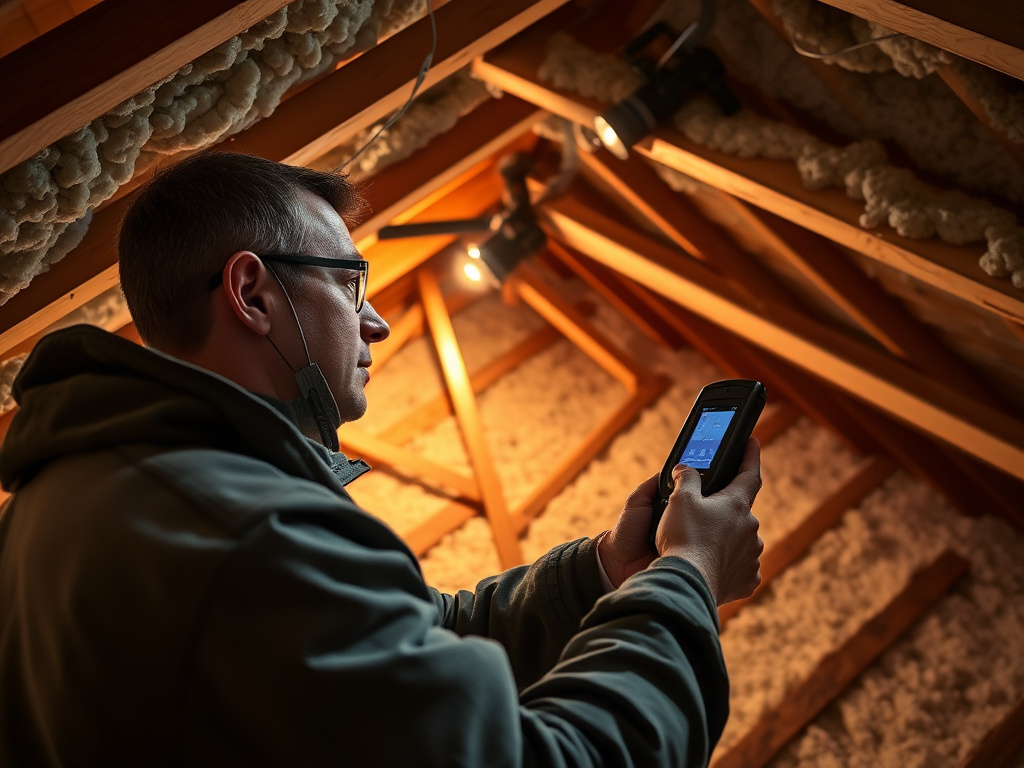

The concern is unreacted chemistry that keeps off-gassing past the normal window.
When the A-side and B-side don't combine at the correct ratio, some portion of the material may not fully react. That unreacted chemistry can continue to release compounds into the air well beyond the 24-to-72-hour window that applies to a normal cure, which is the core reason a persistent odor or other off-ratio symptom is worth taking seriously.
Isocyanates specifically are recognized as a potential respiratory irritant and sensitizer with occupational exposure — this is well documented for installers during application, which is why installer PPE and occupant evacuation protocols exist in the first place. What isn't as fully studied is the specific off-gassing behavior of off-ratio material over the longer term in a finished space; that's an area where independent testing, rather than general statements, gives you a real answer for your situation.
A measured, three-step response
Note the timeline
Track odor or symptoms against the installation date. Persistence well beyond the normal 24-72 hour cure window is the key signal, not intensity alone.
Get objective data
If symptoms persist, independent indoor air quality testing measures actual compounds present rather than relying on smell as a stand-in for concentration.
Involve the right professional
For health symptoms, talk to a medical professional. For air quality, an independent IAQ tester. For the foam itself, a remediation evaluation.
What this site does not do
- We don't diagnose health conditions or symptoms — that's the role of a qualified medical professional.
- We don't perform air-quality testing ourselves — we can point you toward an independent professional where testing is warranted.
- We don't use scare language or worst-case framing to encourage a decision — the goal is accurate, calibrated information.
- We don't make claims beyond what's actually established about off-ratio SPF off-gassing, because the research base on this specific question is still limited.
Health & safety questions, answered
Off-ratio foam can continue releasing unreacted compounds after the normal off-gassing window should have closed, which is a legitimate reason to have it evaluated. We're not qualified to diagnose individual health effects — that's a matter for a medical professional, informed by objective air-quality data where relevant.
The EPA's guidance treats the first roughly 24 to 72 hours after installation as the normal off-gassing window, after which correctly cured foam is expected to be functionally inert. Odor or symptoms persisting well beyond that window are what warrant a closer look.
If odor or other signs of an off-ratio installation persist beyond the normal cure window, independent indoor air quality testing is a reasonable next step — it provides objective data rather than relying on smell alone, which isn't a reliable measure of concentration.
That's a decision to make with guidance from a qualified indoor air quality or medical professional based on your specific situation, not something we can advise on generically. If you have immediate symptoms that concern you, seek medical attention.
General information only, not medical or legal advice. If you have symptoms that concern you, contact a qualified medical professional. Call 844-967-5247 for evaluation-referral questions about your spray foam.
Get an objective evaluation, not a guess
If odor or other off-ratio signs are persisting past the normal cure window, request a professional evaluation and, where warranted, independent air-quality testing.