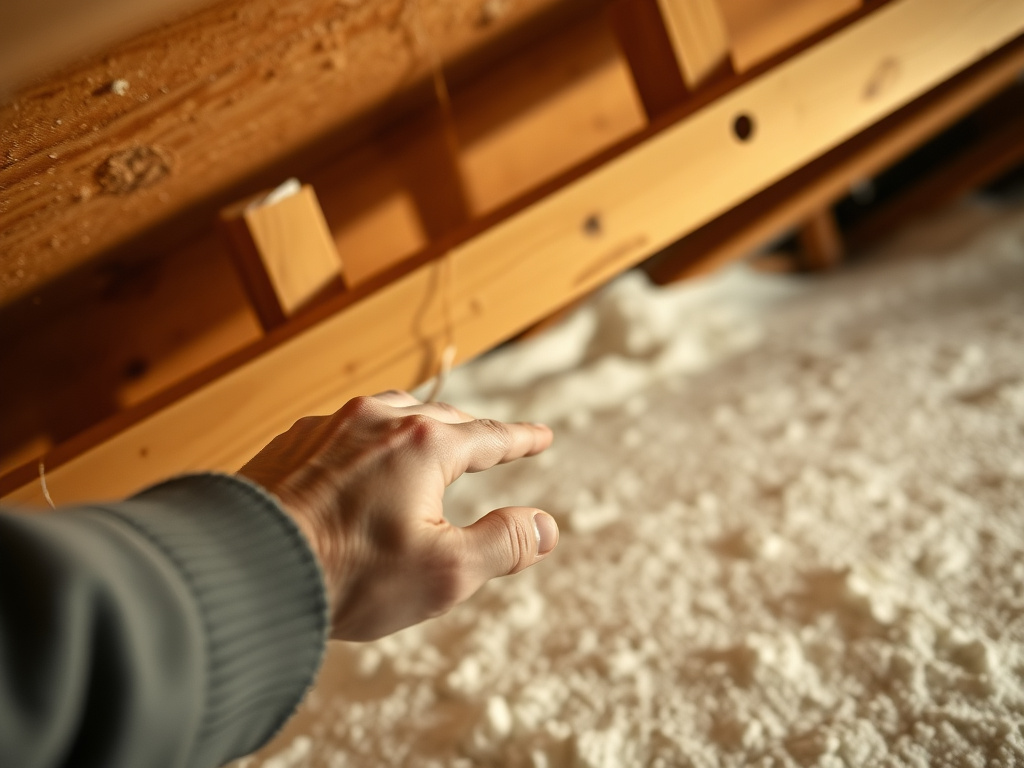
Spray Foam Removal vs. Encapsulation for Off-Ratio Foam
Two different remediation paths exist for off-ratio spray foam — mechanical removal and encapsulation. Here's what separates them and how the right one gets chosen.
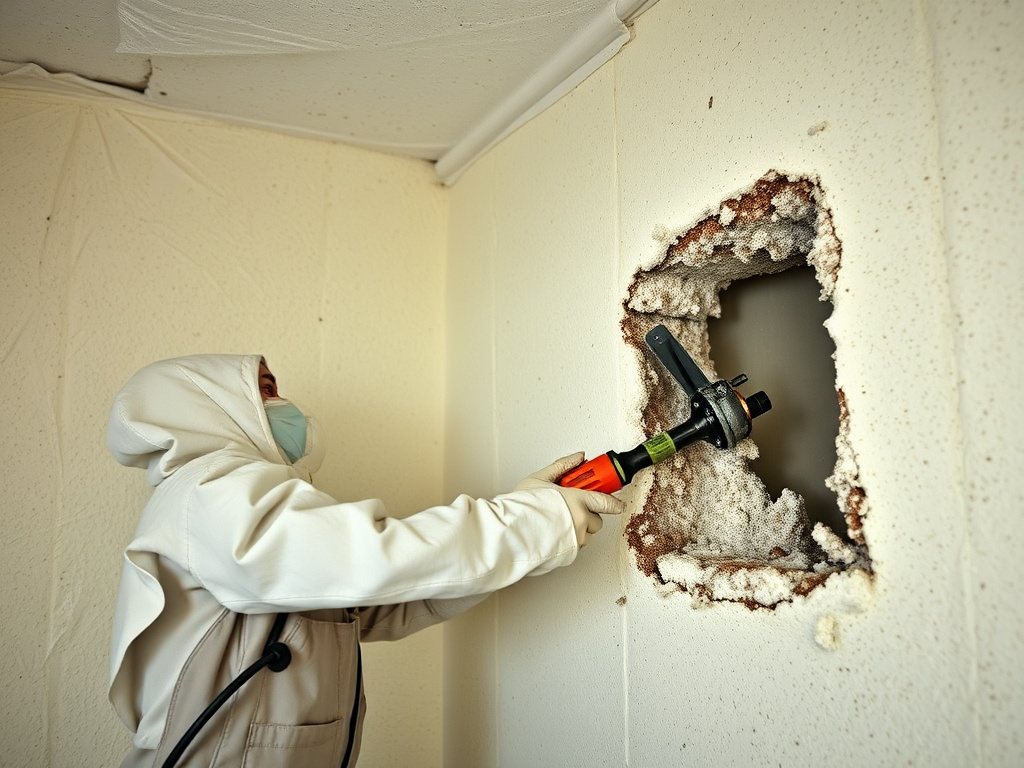
The Default Answer Is Removal — Here's Why
For genuinely off-ratio foam — material where the A-side and B-side chemistry never fully reacted — mechanical removal is the standard remediation approach. The reasoning is straightforward: unreacted chemical trapped inside the foam matrix doesn't stop being unreacted just because it gets covered up. Painting, sealing, or spraying a new layer over the top doesn't change the chemistry underneath; it just adds a barrier between that chemistry and the room, and barriers can degrade, get damaged, or simply not be complete enough to fully contain what's underneath long-term.
Removal is typically done mechanically — physically cutting, scraping, and pulling out the affected material — sometimes followed by sanding or media blasting to clear remaining residue from framing and sheathing. Because this process can disturb material that may still be releasing compounds, it's commonly handled with the work area enclosed and with ventilation practices similar to other contained-remediation trades, rather than as an open, unprotected demolition task.
- Unreacted chemistry inside the foam doesn't resolve on its own or by being covered
- Mechanical removal (cutting, scraping, sometimes media blasting) is the standard approach for confirmed off-ratio material
- Removal work is typically done in a contained, ventilated setup given the material being disturbed
Where Encapsulation Fits — A Narrower Case
Encapsulation — sealing the foam surface with a specialized coating rather than removing the material — is sometimes discussed as an option, most often in situations involving lingering odor from foam that is otherwise structurally sound and reasonably well-cured, rather than foam with confirmed off-ratio defects throughout. It's a narrower, more conditional remediation path, not a general substitute for removal.
When encapsulation is used as part of a broader plan, it's typically applied after any confirmed off-ratio material has already been removed — for example, coating exposed framing with a primer to seal in minor residual odor from material that couldn't be fully extracted by scraping or blasting, not as a way to avoid removing foam that's actually chemically defective.
The distinction matters because encapsulating over confirmed off-ratio foam without removing it first doesn't address the underlying issue — it's treating a symptom (surface odor) while leaving the actual defect (unreacted chemistry inside the foam) in place.
- Encapsulation is generally for residual odor management on sound material, not a fix for off-ratio foam itself
- It's most often paired with removal — sealing what's left after defective material is already out
- Coating over confirmed off-ratio foam without removing it does not resolve the underlying chemistry
What Actually Decides Which Path Is Right
The decision comes down to what an evaluation actually finds, not a blanket rule. Confirmed off-ratio material — foam that fails the texture, odor, and visual checks described on our symptoms page, especially when those checks are corroborated by air-quality data — points toward removal of that material. Foam that's structurally sound, properly cured, and simply has some lingering surface odor from an incomplete pass or a small unresolved section is a different, more limited situation.
Scope also matters. A small, well-defined patch of off-ratio foam in one attic bay is a more contained job than a proportioner malfunction that affected an entire application. The extent of the problem — not just its presence — shapes whether the recommended scope is a spot removal, a larger section, or, in more extensive cases, the full application.
- Whether the foam is confirmed off-ratio, versus sound foam with residual odor
- The extent of the affected area — isolated patch versus widespread condition
- Findings from a professional evaluation and, where warranted, independent air-quality testing
What Happens After Removal
Once defective material is out, the exposed framing and sheathing are typically inspected and cleaned before anything new goes back in. This is also the point where a primer-based encapsulation step is sometimes used — sealing the substrate before reinstallation, particularly if any residual odor was noted after the bulk material was removed.
Reinstallation follows with new material and, ideally, a review of what caused the original failure so the same conditions — a cold morning, a specific equipment issue, an inexperienced applicator — aren't simply repeated on the redo.
Start With an Evaluation, Not a Guess
Because the right remediation path depends on what's actually found — not on a fixed rule that applies to every situation — the reasonable first step is always a professional evaluation rather than assuming either full removal or a quick surface seal is automatically correct. If you're seeing signs described on our symptoms page, request an evaluation and we'll help figure out what you're actually dealing with before recommending a path forward.
Frequently asked questions
Generally no. Unreacted chemistry trapped inside off-ratio foam doesn't resolve by being sealed or coated over — mechanical removal is the standard approach for material that's confirmed to be off-ratio.
Encapsulation is most appropriate for managing residual odor on foam that's otherwise structurally sound and properly cured, often paired with removal of any confirmed off-ratio sections rather than used as a substitute for removing defective material.
Typically through mechanical removal — cutting, scraping, and pulling the material out — sometimes followed by sanding or media blasting to clear residue from framing and sheathing. This is commonly done in a contained, ventilated setup given the material being disturbed.
No. Scope depends on the extent of the problem — a localized patch may only require spot removal, while a proportioner malfunction that affected a whole application may call for a larger scope. A professional evaluation determines the actual extent before recommending a plan.
Think your spray foam was installed off-ratio?
Tell us what you're seeing and we'll help you understand next steps for a professional evaluation.